

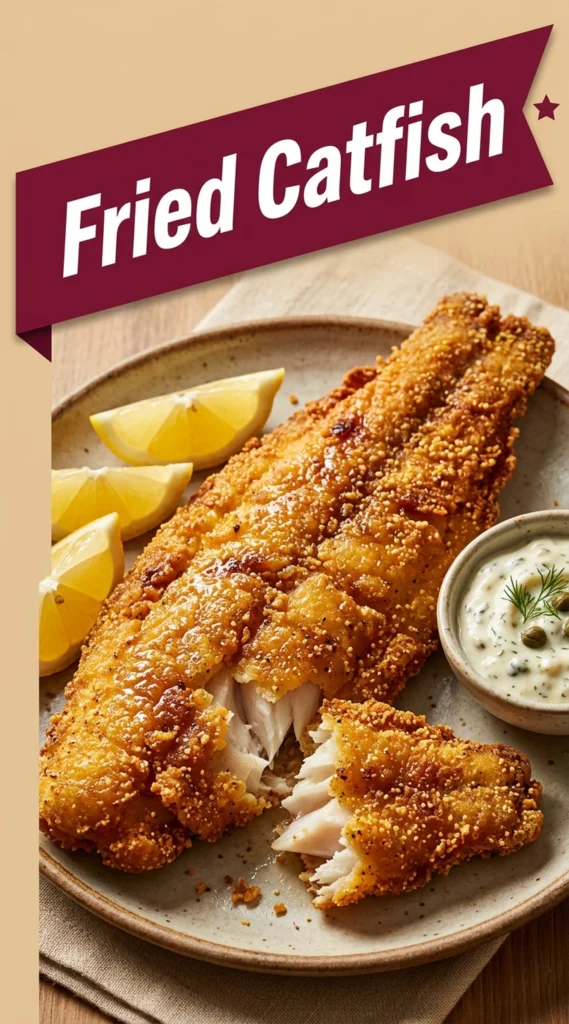
Uncle Silas used to host the most legendary fish fries every summer in his humid Georgia backyard. The smell of hot oil and seasoned cornmeal would drift across the fence, pulling every neighbor toward his cast-iron skillet.
He taught me that the secret to perfect fish isn’t just the heat, but the patience. This recipe recreates those golden, flaky fillets that taste like a warm memory of the South.
People adore the contrast between the gritty, savory crust and the tender white meat inside. It is a textural symphony that satisfies every craving.
What makes this version unique is the specific balance of acidity and spice in the soak. Most store-bought versions are bland or overly greasy, lacking that soulful depth.
Home cooks looking for a crowd-pleasing dinner or a nostalgic weekend treat will find this approach foolproof. It brings the seaside shack experience directly to your dining table.
Let us dive into the details of making this timeless classic. If you love bold flavors, try our Mouthwatering Effortless Fried Mozzarella Sticks Recipe
- ●Why You’ll Love This Recipe
- ●A Brief Background / Why This Recipe Works
- ●Perfect For Family Gatherings and Weekend Feasts
- ●Catfish Spotlight
- ●Cornmeal Spotlight
- ●Key Ingredients
- ●How to Make It
- ●Pro Tips
- ●Delicious Variations
- ●Best Ways to Serve
- ●Storage and Leftovers
- ●Frequently Asked Questions
- ●Why This Recipe Belongs in Your Weekly Rotation
- ●Final Thoughts
There is something profoundly comforting about a meal that feels both rustic and refined. Here is exactly why this version stands above the rest.
- ●The cornmeal crust provides a distinct crunch that wheat flour simply cannot replicate. It creates a sturdy shell that locks in the natural juices of the fish.
- ●Buttermilk soaking removes any muddy undertones often associated with catfish. This process ensures a clean, sweet flavor profile in every single bite.
- ●The seasoning blend hits every taste bud with a mix of heat and salt. It transforms a simple fillet into a gourmet experience without needing complex ingredients.
- ●Preparation is surprisingly fast despite the high-end result. You can have a professional-grade dinner ready in under forty minutes.
- ●It is incredibly versatile for different dietary preferences. You can easily tweak the spices to suit children or those who prefer more heat.
- ●The fillets remain moist even if you slightly overcook them. The cornmeal creates a thermal barrier that protects the delicate protein inside.
- ●It pairs beautifully with a wide array of traditional side dishes. From coleslaw to hushpuppies, the flavor profile complements classic Americana.
- ●Cooking in batches allows you to serve a large group with ease. You can keep the first batch warm while finishing the rest.
Once you taste the difference a proper soak makes, you will never go back to basic breading. It is a total game changer for seafood lovers.
A Brief Background / Why This Recipe Works |
Southern frying is an art form rooted in resourcefulness and bold flavors. Catfish was historically accessible and hearty, making it a staple for families across the Mississippi Delta.
I almost gave up on this recipe until I realized I was crowding my pan. I had spent three weekends producing soggy fish because I wanted to cook too many fillets at once. Once I gave the fish space to breathe, the crust transformed into a golden armor.
The chemistry here relies on the Maillard reaction, where the cornmeal and proteins brown under high heat. This creates the complex, nutty aromas that define a great fry.
Every element of this process is designed to maximize crunch while minimizing oil absorption. The result is a clean, crisp finish. If you enjoy crunchy appetizers, check out the Irresistible Luscious Fried Sliced Mushrooms With Ranch
Perfect For Family Gatherings and Weekend Feasts |
Busy weeknights often demand speed, but this recipe is efficient enough to fit into a hectic schedule. The active prep time is minimal, allowing you to focus on your family while the fish fries.
Meal prep enthusiasts can brine the fish the night before. This actually improves the flavor and makes the final cooking process take only a few minutes on Friday evening.
Family dinners benefit from the communal nature of a fish fry. It encourages a ‘help yourself’ atmosphere that makes the meal feel like a special event.
Holidays like the Fourth of July or Labor Day are the ideal times to bring this out. It is the quintessential outdoor meal that pairs perfectly with iced tea and sunshine.
Catfish Spotlight |
Catfish is the star here because of its dense, meaty texture. Unlike flaky cod or tilapia, catfish holds its shape beautifully during the frying process, which prevents the fillets from breaking apart in the oil.
It possesses a mild, slightly sweet flavor that acts as a canvas for bold seasonings. This allows the cornmeal and spices to shine without overpowering the fish itself.
Nutritiously, it is packed with omega-3 fatty acids and high-quality protein. It provides a satisfying fullness that makes it a perfect main course for any appetite.
Cornmeal Spotlight |
Cornmeal is non-negotiable for an authentic Southern experience. Its coarse grain creates an uneven surface that traps tiny pockets of hot oil, leading to a superior crunch compared to smooth flour.
The natural sweetness of the corn complements the savory notes of the fish. It adds a toasted, corn-husk aroma that evokes memories of summer fairs and country kitchens.
When combined with a bit of flour, it creates a crust that is both crisp and cohesive. This ensures the breading doesn’t slide off the fish when you take a bite.
Key Ingredients |
Selecting high-quality components is the first step toward success. Each item plays a specific role in the final texture and taste.
- ●Catfish Fillets — The primary protein providing a hearty, mild base.
- ●Cornmeal — The essential agent for a gritty, golden-brown crust.
- ●Buttermilk — A tangy soak that tenderizes the fish and aids adhesion.
- ●All-Purpose Flour — A binder that helps the cornmeal stick firmly.
- ●Paprika — Adds a smoky depth and a vibrant orange hue to the breading.
- ●Cayenne Pepper — Provides a subtle back-end heat to balance the richness.
- ●Garlic Powder — Introduces a savory, aromatic layer to the crust.
- ●Vegetable Oil — A high-smoke point fat that ensures an even, clean fry.
How to Make It |
Precision in temperature and timing is what separates a soggy fillet from a masterpiece. Follow these steps closely for the best results.
- The brine: Submerge the catfish fillets in a mixture of buttermilk and a pinch of salt for at least 30 minutes. This acidity breaks down tough fibers and removes any “muddy” taste from the fish. Do not soak for more than four hours, or the fish may become too soft.
- The breading mix: Whisk together cornmeal, flour, paprika, garlic powder, and cayenne in a shallow dish. Ensure there are no clumps so the seasoning is distributed evenly across every fillet. A consistent mix prevents some pieces from being too salty while others are bland.
- The coating: Lift each fillet from the buttermilk, letting the excess drip off, then press it firmly into the cornmeal mixture. Use your hands to push the breading into the flesh for a secure bond. If the coating is too loose, it will separate from the fish in the oil.
- The heat check: Heat two inches of oil in a heavy skillet to 350°F (175°C). Use a thermometer to be sure. If the oil is too cold, the fish will absorb grease; if it is too hot, the outside will burn before the inside is cooked.
- The sear: Carefully slide the fillets into the oil, leaving plenty of space between them. Listen for a vigorous sizzle; this indicates the moisture is evaporating and the crust is forming. Avoid the urge to move them for the first three minutes.
- The flip: Turn the fillets once the edges are a deep golden brown. Cook for another 3-5 minutes depending on thickness. Look for the fish to flake easily with a fork at the thickest part of the fillet.
- The drain: Transfer the finished fish to a wire cooling rack set over a baking sheet. Avoid paper towels if possible, as they can trap steam and make the bottom of the fish soggy. Let them rest for two minutes before serving.
If you are looking for a lighter alternative to fried mains, try our Healthy Low Carb Cauliflower Fried Rice Quick Tasty
1Small adjustments in technique can lead to massive improvements in the final product. Keep these secrets in mind during your next cook.
- ●2Pat dry before soaking: Remove surface moisture from the raw fish before adding it to the buttermilk for better brine penetration.
- ●3Room temperature fish: Let your brined fillets sit out for 15 minutes before frying to avoid a massive temperature drop in your oil.
- ●4The oil choice: Use peanut or canola oil for their high smoke points and neutral flavors.
- ●5Avoid overcrowding: Only fry two or three fillets at a time to maintain a consistent oil temperature.
- ●6Fresh lemon squeeze: Add a squeeze of fresh lemon juice immediately after the fish leaves the pan to cut through the richness.
Delicious Variations |
While the classic cornmeal crust is king, you can easily customize the flavors to suit your mood or season.
- ●Spicy Cajun: Replace the paprika and cayenne with a heavy dose of store-bought or homemade Cajun seasoning.
- ●Lemon Pepper: Add zest of one lemon and cracked black pepper to the cornmeal for a bright, zesty profile.
- ●Panko Blend: Mix equal parts cornmeal and panko breadcrumbs for an even more aggressive, jagged crunch.
- ●Herbed Crust: Stir in dried thyme and oregano to give the fish a Mediterranean twist.
- ●Honey-Sriracha Glaze: Drizzle a mixture of honey and sriracha over the finished fillets for a sweet-and-spicy kick.
Experimenting with these tweaks allows you to keep the recipe fresh throughout the year. Every variation offers a new way to enjoy this versatile fish.
Best Ways to Serve |
Presentation and pairing are key to elevating this meal from a simple dinner to a feast. Balance the fried elements with fresh, acidic sides.
- ●The classic pairing: Serve with creamy coleslaw and warm, buttery hushpuppies.
- ●The healthy balance: Pair with a crisp garden salad and steamed green beans.
- ●The dipping station: Offer tartar sauce, spicy remoulade, and a wedge of lemon.
- ●The Southern platter: Add a side of collard greens and cornbread for the full experience.
For a truly authentic experience, serve the fish on a large platter lined with brown parchment paper. This mimics the feel of a traditional fish fry and makes cleanup much easier.
Don’t forget a cold beverage to wash it all down. An iced tea with lemon or a crisp lager works perfectly to cleanse the palate between bites. If you need a sweet finish, try Sweet And Irresistible Fried Strawberry Cheesecake Sandwiches
Storage and Leftovers |
Refrigerating
Place cooled fillets in an airtight container. They will remain safe to eat for up to 3 days in the refrigerator.
Reheating
Avoid the microwave, as it makes the crust rubbery. Instead, heat in an oven or air fryer at 375°F for 5 minutes until crisp.
Freezing
Flash freeze cooked fillets on a tray before transferring them to a freezer bag. They stay high-quality for up to 2 months.
Frequently Asked Questions |
- ●Q: Why is my catfish breading falling off?A: This usually happens because the fish was too wet when it hit the cornmeal or the oil was not hot enough. Ensure you let the buttermilk drip off and that your oil has reached 350°F before adding the fish to seal the crust instantly.
- ●Q: Can I use milk instead of buttermilk?A: You can use regular milk, but you will lose the tang and tenderizing power. To mimic buttermilk, add one tablespoon of lemon juice or white vinegar to a cup of milk and let it sit for ten minutes before using.
- ●Q: How do I know when the catfish is perfectly cooked?A: The external crust should be a deep golden brown, and the internal meat should be opaque. The best test is to press the thickest part of the fillet; it should feel firm but spring back slightly, and the meat should flake easily with a fork.
- ●Q: Is it better to use fresh or frozen catfish?A: Fresh is always superior for texture and flavor. However, if using frozen, make sure to thaw it completely in the refrigerator and pat it dry thoroughly before starting the brine to avoid adding excess water to the frying oil.
- ●Q: What is the best oil for frying fish?A: Peanut oil is the gold standard because it has a very high smoke point and doesn’t impart a strong taste. Canola or vegetable oils are also excellent, affordable alternatives that ensure the fish fries evenly without burning the oil.
Why This Recipe Belongs in Your Weekly Rotation |
Incorporating this dish into your routine brings a sense of celebration to an ordinary day. It proves that you don’t need hours of labor to create a meal that feels like a special occasion.
The reliance on simple, pantry-stable ingredients like cornmeal and flour makes it an economical choice. You get high-protein, nutrient-dense seafood without the high price tag of a restaurant outing.
Moreover, it is a recipe that evolves with you. As you become more comfortable with the frying process, you can experiment with bolder spice blends and creative side dishes.
Ultimately, this meal is about more than just food; it is about the joy of a perfectly executed crunch. Your family will look forward to the day this appears on the menu.
Final Thoughts |
This guide has walked you through the essential steps of creating a gold-standard fried catfish, from the importance of the buttermilk soak to the precision of the oil temperature.
You deserve a meal that satisfies the soul and brings a bit of Southern magic into your home. With these techniques, you can achieve a professional crunch every single time.
Now, heat up that skillet and bring the taste of the Delta to your kitchen today!
Crispy Southern Fried Catfish with Cornmeal Crust
- Total Time: 1 hour
- Yield: 4 servings 1x
Description
A traditional Southern-style fried catfish featuring a tangy buttermilk brine and a crunchy, seasoned cornmeal crust.
Ingredients
- 4 catfish fillets
- 2 cups buttermilk
- 1 cup yellow cornmeal
- 1/2 cup all-purpose flour
- 1 tablespoon paprika
- 1 teaspoon garlic powder
- 1/2 teaspoon cayenne pepper
- 1 teaspoon salt
- 1/2 teaspoon black pepper
- Vegetable oil for frying
Instructions
- Place catfish fillets in a bowl with buttermilk and a pinch of salt. Refrigerate for 30 minutes to 4 hours.
- In a shallow dish, whisk together cornmeal, flour, paprika, garlic powder, cayenne, salt, and pepper.
- Remove fillets from buttermilk, letting excess drain, and press firmly into the cornmeal mixture to coat thoroughly.
- Heat 2 inches of vegetable oil in a large skillet to 350°F (175°C).
- Fry fillets in batches, avoiding overcrowding, for 3-5 minutes per side until golden brown.
- Remove fish and place on a wire rack to drain for 2 minutes.
- Serve immediately with lemon wedges and your favorite dipping sauce.
- Prep Time: 45 minutes
- Cook Time: 15 minutes
- Category: Dinner
- Method: Frying
- Cuisine: American
