I once believed that a slow cooker was strictly for pot roast and chilis, so I tried to bake my first loaf without greasing the ceramic liner. The result was a bread that clung to the sides like glue, requiring a chisel and a lot of patience to remove.
That failure taught me that moisture control is everything when baking in a sealed environment. Now, I treat my crockpot like a miniature steam oven to achieve a pillowy crumb.
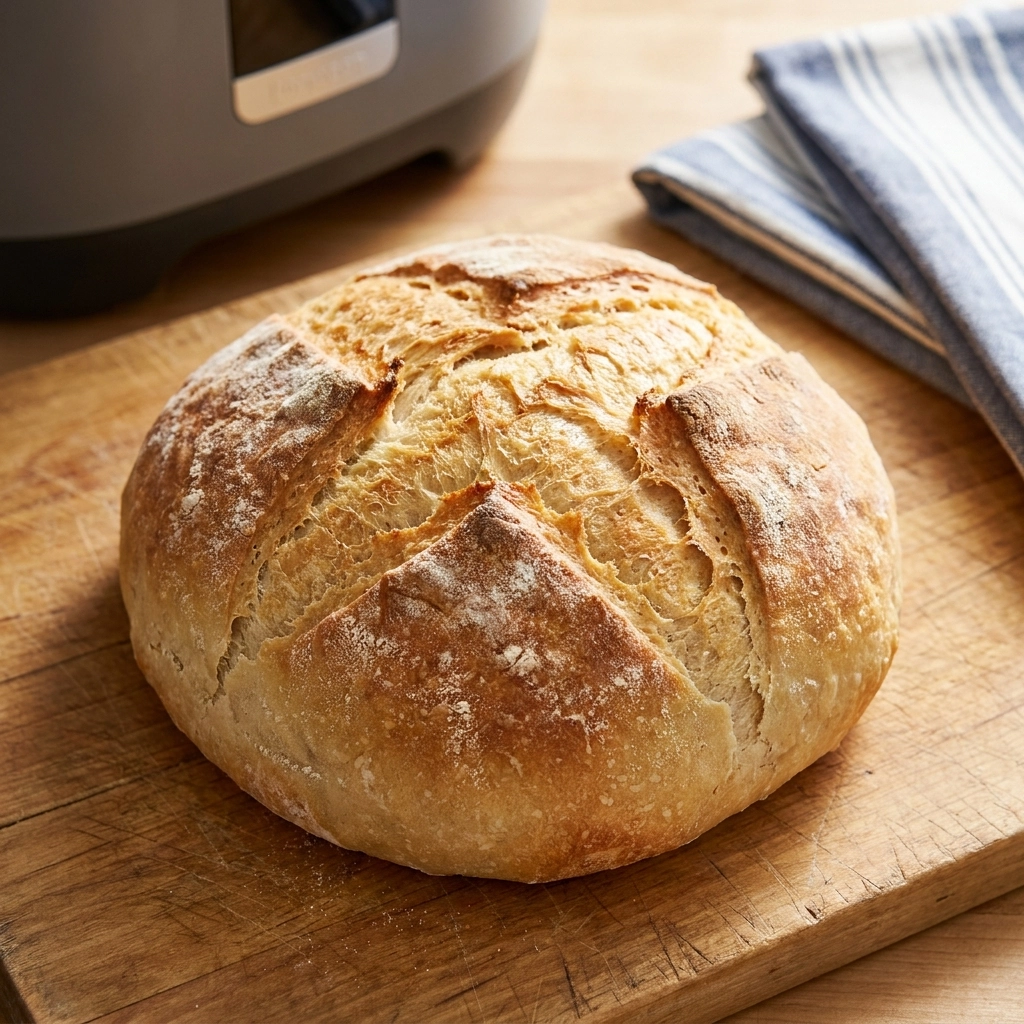
This recipe produces a dense, rustic loaf that rivals a traditional bakery boule. It utilizes steady, low heat to develop a deep flavor profile without the stress of oven temperature swings.
Many home cooks find traditional yeast breads intimidating due to the kneading and proofing cycles. This method simplifies the process, making the aroma of fresh bread accessible to everyone.
Someone like Uncle Greg, who loves a thick slice of toasted sourdough but hates spending three hours in the kitchen, would find this absolutely irresistible.
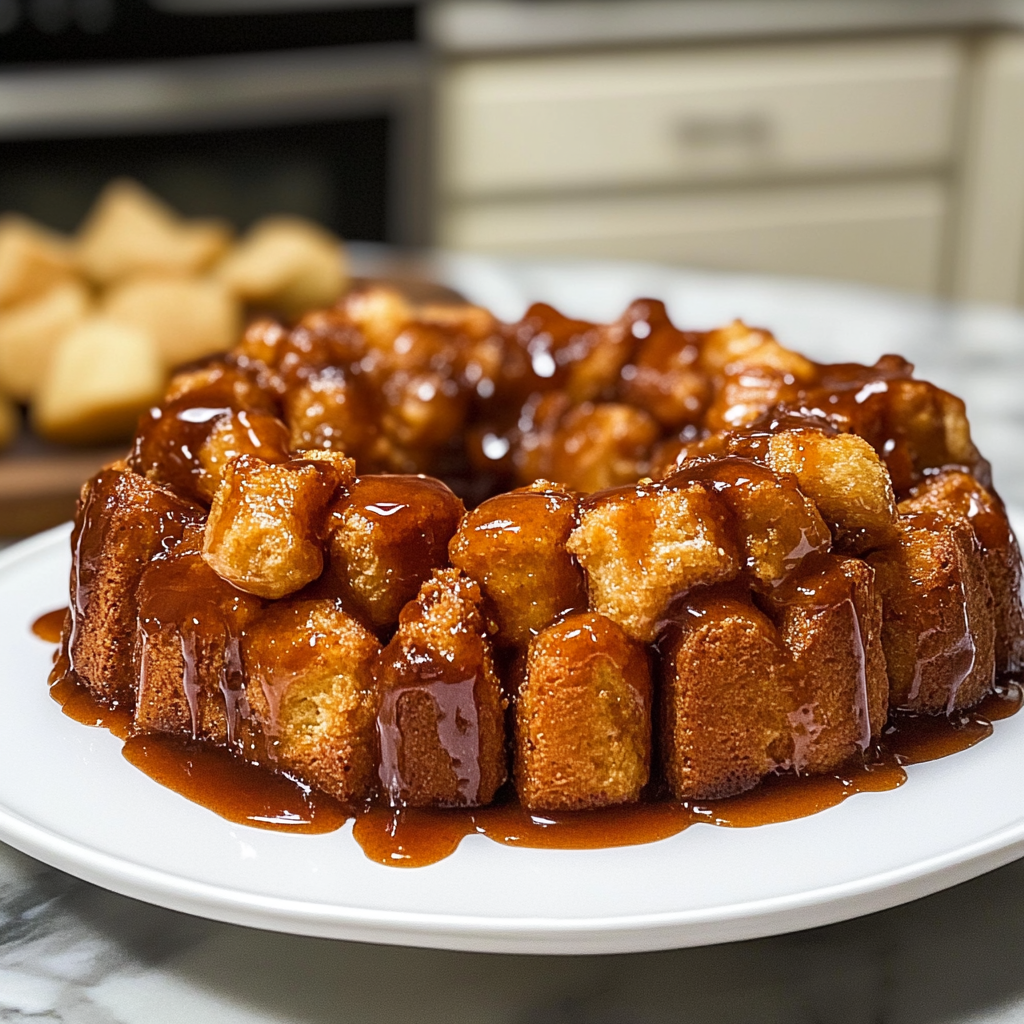
A simple touch of butter and a bit of patience transform basic pantry staples into a gourmet centerpiece. Mouthwatering Slow Cooker Monkey Bread For Magical Mornings
Let us dive into the mechanics of making this effortless loaf.
- ●Why You’ll Love This Recipe
- ●A Brief Background on Slow Cooker Baking
- ●Perfect For Every Occasion
- ●Bread Flour Spotlight
- ●Yeast and Leavening Spotlight
- ●Key Ingredients
- ●How to Make It
- ●Pro Tips
- ●Delicious Variations
- ●Best Ways to Serve
- ●Storage and Leftovers
- ●Frequently Asked Questions
- ●Why This Recipe Belongs in Your Weekly Rotation
- ●Final Thoughts
Choosing a slow cooker over a traditional oven changes the entire chemistry of the bake, leading to a uniquely moist texture.
- ●Zero oven heat. You can keep your kitchen cool during the summer months while still enjoying fresh bread.
- ●Consistent crumb. The gentle heat prevents the bread from drying out or developing huge air pockets.
- ●Low effort. You do not need to be a master baker to achieve a professional-looking loaf.
- ●Scented home. The slow release of aromas fills your entire house with a cozy, welcoming smell.
- ●Cost effective. It uses basic ingredients that you likely already have in your pantry.
- ●Customizable base. The neutral flavor profile makes it a perfect canvas for herbs or seeds.
- ●No kneading stress. The long, slow rise replaces the need for aggressive manual kneading.
- ●Perfect for beginners. It removes the fear of burning the bottom of the loaf in a hot oven.
Once you experience the ease of this method, you might never go back to traditional baking. Creamy Slow Cooker Pumpkin Butter Recipe Easy Fall Breakfast Spread
A Brief Background on Slow Cooker Baking |
Baking in a slow cooker is fundamentally different from oven baking because the heat is conductive rather than convective. In an oven, hot air circulates around the dough, creating a rapid crust. In a crockpot, the heat creeps in from the sides and bottom, simulating a steamed environment.
This process allows the yeast to activate slowly, which often results in a more complex flavor. The trapped steam keeps the exterior from hardening too quickly, allowing the bread to expand fully before the structure sets.
It is essentially a hybrid between a steamed bun and a traditional loaf. The result is a bread that is incredibly soft and stays fresh longer than many oven-baked alternatives.
Understanding this moisture dynamic is the key to success.
Perfect For Cozy Morning Brunches |
Busy weeknights often leave little room for complex cooking, but this bread can be prepped and set to go without constant monitoring. It allows you to focus on other tasks while the dough develops slowly in the background.
Meal prep becomes effortless when you have a sturdy loaf to slice and freeze. Having a homemade alternative to store-bought sliced bread elevates every sandwich in your weekly rotation.
Family dinners feel more complete with a warm basket of bread on the table. Children especially love the novelty of a loaf that comes out of the “magic pot” instead of the big oven.
During the holidays, this recipe saves precious oven space for the turkey or roast. It ensures guests have fresh rolls or a dinner loaf without competing for rack space.
Bread Flour Spotlight |
Bread flour is the backbone of this recipe because of its high protein content. This protein develops into gluten, which creates the elastic network necessary to trap gas bubbles produced .
Using all-purpose flour would result in a flatter loaf with less chew. The strength of bread flour ensures the loaf rises vertically, giving it that classic, hearty appearance.
Yeast and Leavening Spotlight |
Active dry yeast acts as the biological engine of the bread, converting sugars into carbon dioxide. This gas is what creates the airy holes and light texture we associate with a great loaf.
The slow cooker environment provides a steady, warm temperature that keeps the yeast active for longer. This extended fermentation period enhances the nutritional profile and digestibility of the grain.
Key Ingredients |
Each component plays a specific role in ensuring the bread rises and tastes authentic.
- ●Bread Flour — provides the structural integrity and chew through high gluten content
- ●Active Dry Yeast — leavens the dough and creates the classic fermented flavor
- ●Warm Water — activates the yeast cells and hydrates the flour proteins
- ●Honey — feeds the yeast and adds a hint of natural sweetness and moisture
- ●Salt — regulates yeast activity and enhances the overall flavor of the crust
- ●Unsalted Butter — adds richness and creates a softer, more tender crumb
 How to Make It |
Following these steps precisely ensures you avoid a gummy center or a sunken top.
- Activate the yeast: To ensure the yeast is alive before adding other ingredients, whisk the yeast and honey into warm water. If it doesn’t foam up within ten minutes, your yeast is dead and must be replaced to avoid a brick-like loaf.
- Combine dry ingredients: To prevent clumps of salt or yeast, whisk the flour and salt together in a large bowl. This ensures the seasoning is evenly distributed throughout the dough structure.
- Form the dough: To create the necessary gluten bonds, stir the wet mixture into the dry ingredients until a shaggy ball forms. Avoid over-mixing, which can make the bread tough; just mix until no dry flour remains.
- Prepare the vessel: To prevent the bread from sticking to the ceramic, generously grease the slow cooker liner with butter or oil. This creates a non-stick barrier and adds flavor to the outer crust.
- First rise: To allow the yeast to produce carbon dioxide, place the dough in the greased slow cooker, cover it, and let it sit on the ‘warm’ setting for an hour. Look for the dough to nearly double in size; if it hasn’t grown, leave it for another 20 minutes.
- The bake: To set the structure of the bread, switch the slow cooker to ‘high’ for about 1.5 to 2 hours. You are looking for the top to turn a light golden brown and the sides to pull away slightly from the edges.
- Cooling period: To prevent the bread from collapsing or becoming gummy, remove it from the pot and let it cool on a wire rack for at least 30 minutes. Slicing too early lets the steam escape too quickly, which can dry out the interior.
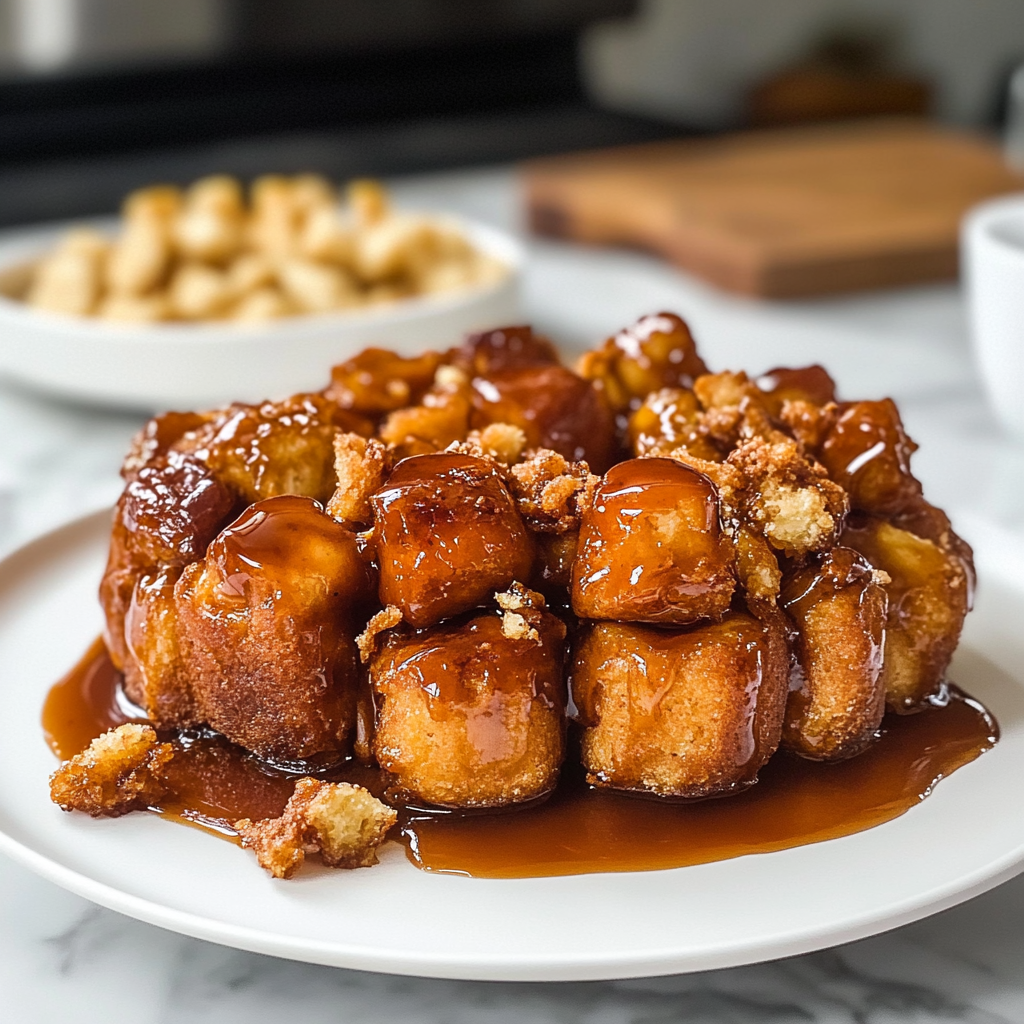
It is truly a magical transformation. Mouthwatering Effortless Slow Cooker Monkey Bread For Magical Mornings 1.Png
1Small adjustments can lead to professional bakery results in your own kitchen.
- ●2Check Water Temp: Ensure water is between 105-115°F; water that is too hot will kill the yeast, while cold water will leave it dormant.
- ●3Avoid Peeking: Keep the lid closed during the baking phase to trap the steam, which is what creates the soft, airy interior.
- ●4Use a Liner: If you struggle with cleaning, a parchment paper liner can be used, but ensure it is trimmed to fit the bottom perfectly.
- ●5Dust the Top: Sprinkle a little flour on top of the dough before the final bake for a rustic, artisanal appearance.
- ●6Test with a Thermometer: The bread is perfectly done when the internal temperature reaches 190°F to 200°F.
7Adding a bit of patience is the secret ingredient here. Mouthwatering Effortless Slow Cooker Monkey Bread For Magical Mornings 2.Png
Delicious Variations |
Once you master the basic loaf, you can experiment with different flavors to suit your mood.
- ●Garlic Herb Loaf: Fold in minced garlic and dried rosemary during the mixing phase for a savory side.
- ●Cheesy Cheddar: Stir in shredded sharp cheddar cheese to create pockets of melted gold throughout the bread.
- ●Honey Oat: Replace a quarter cup of flour with rolled oats and increase the honey for a heartier, sweeter breakfast bread.
- ●Everything Bagel Style: Brush the top with water and coat it in everything bagel seasoning before the final bake.
- ●Cinnamon Swirl: Gently swirl cinnamon sugar into the dough for a treat that pairs perfectly with coffee.
The possibilities are limited only .
Best Ways to Serve |
The versatility of this bread makes it a great accompaniment to almost any meal.
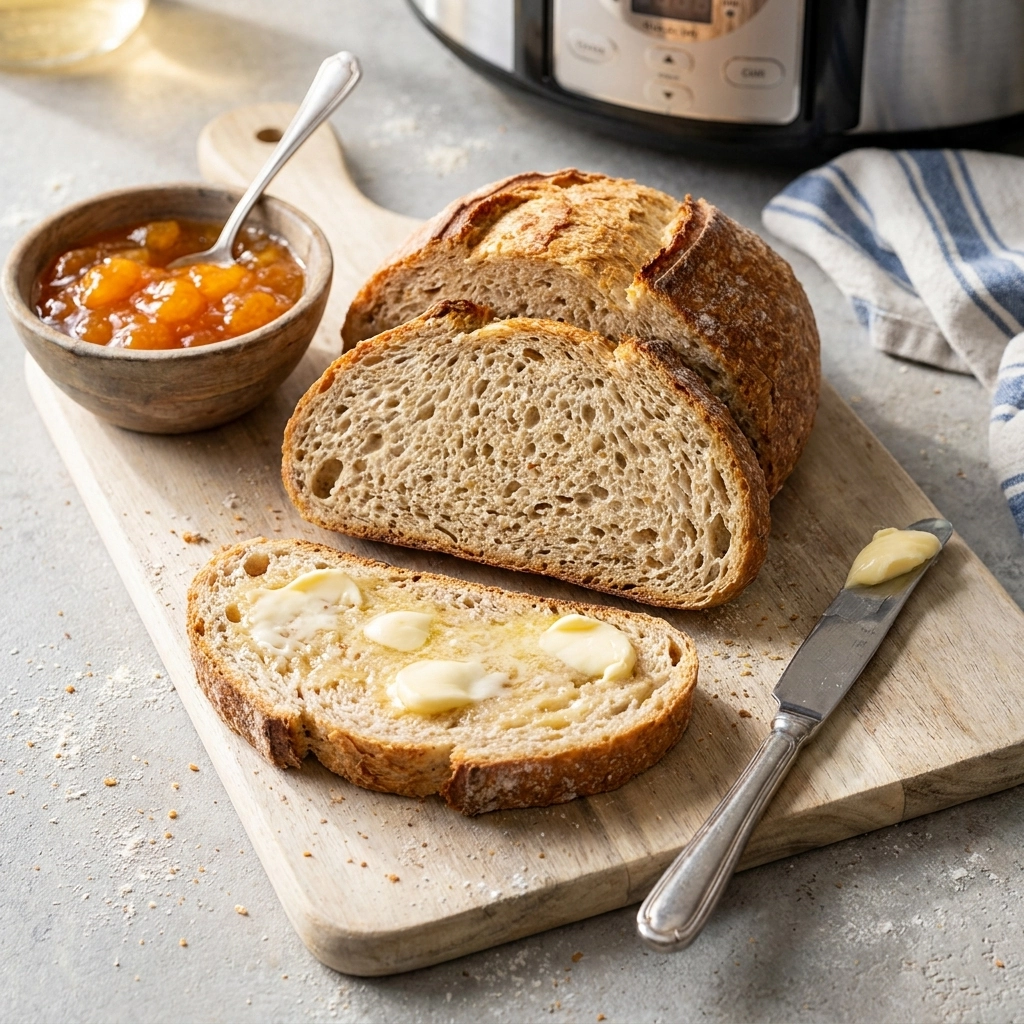
- ●Sliced thick and toasted with salted butter for a classic breakfast.
- ●Served alongside a bowl of creamy soup or a hearty stew.
- ●Used as the base for a gourmet grilled cheese sandwich.
- ●Paired with a side of homemade jam or honey butter.
For a truly indulgent experience, try serving it warm with a spread of pumpkin butter. Creamy Slow Cooker Pumpkin Butter Recipe Easy Fall Breakfast Spread
If you are planning a full breakfast spread, this bread pairs beautifully with a savory casserole. Creamy Slow Cooker Cheesy Hashbrown Casserole Easy Recipe For Perfect Comfort Food Crockpot Breakfast Casserole
Storage and Leftovers |
Refrigerating
Store leftover slices in an airtight container or a sealed plastic bag for up to 5 days. Keeping it sealed prevents the bread from drying out in the cold air of the refrigerator.
Reheating
Warm slices in a toaster or a 350°F oven for 5 minutes to restore the original crust. Avoid the microwave, as it can make the bread rubbery and chewy.
Freezing
Slice the bread first and freeze the pieces in a freezer-safe bag for up to 3 months. This allows you to pull out only what you need and toast it directly from frozen.
Frequently Asked Questions |
- ●Q: Why is my slow cooker bread too dense?A: This usually happens if the yeast was killed was too hot or if the dough didn’t rise long enough during the first stage. Ensure your water is lukewarm and give the dough plenty of time to double in size before starting the high-heat bake.
- ●Q: Can I use a different type of flour?A: While you can use all-purpose flour, you will notice a significant difference in texture. Bread flour contains more protein, which is essential for building the gluten structure that holds the air bubbles, resulting in a taller and chewier loaf.
- ●Q: My bread is sticking to the pot, what happened?A: This occurs when there isn’t enough grease on the sides of the slow cooker. Make sure to apply a generous layer of butter or non-stick spray all the way up the sides, as the dough expands and touches the walls during the rise.
- ●Q: Does the bread get a brown crust in a slow cooker?A: Slow cookers do not produce the same Maillard reaction as a hot oven, so the crust will be paler. If you want a deeper gold color, you can quickly brown the top under a broiler for 2 minutes after removing it from the pot.
- ●Q: Can I make this recipe in a digital slow cooker?A: Yes, digital cookers work perfectly. Just ensure you are using the designated ‘Warm’ and ‘High’ settings as described. If your cooker has a timer, you can set it to switch from warm to high automatically for maximum convenience.
- ●Q: How do I know if the bread is fully cooked?A: The most reliable method is using an instant-read thermometer to check for an internal temperature of 190°F. Alternatively, tap the top of the loaf; it should sound hollow, and the edges should have pulled away slightly from the ceramic walls.
Why This Recipe Belongs in Your Weekly Rotation |
Integrating a homemade loaf into your routine eliminates the need for processed, store-bought breads filled with preservatives. You gain total control over the ingredients, allowing you to use organic flour or natural sweeteners like honey.
The slow cooker method removes the intimidation factor of baking. There is no need to worry about oven hotspots or the precise timing of a traditional bake, making it a stress-free addition to your kitchen workflow.
It is a comforting, sensory experience that brings a sense of warmth and tradition back into the home. Investing a small amount of effort in the prep yields a reward that enhances every other meal you serve.
Your family will appreciate the quality, and you will appreciate the simplicity.
Final Thoughts |
This method transforms the humble slow cooker into a versatile baking tool, producing a rustic, hearty loaf without the stress of an oven. slow fermentation and moisture control, we achieve a texture that is both soft and satisfying.
You should embrace this recipe to reclaim your mornings and enjoy the luxury of fresh bread with minimal cleanup. It is the perfect balance of artisanal quality and modern convenience.
Turn your kitchen into a fragrant bakery today and experience the joy of a perfect, homemade slice!
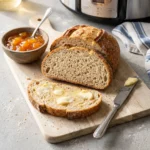
Hearty Slow Cooker Bread with a Golden Crust
- Total Time: 3 hours 15 minutes
- Yield: 1 loaf 1x
Description
A rustic, hearty homemade bread baked entirely in a slow cooker. Perfect for those who want a bakery-style loaf without the hassle of a traditional oven.
Ingredients
- 3 cups bread flour
- 1 packet active dry yeast
- 1.25 cups warm water
- 2 tablespoons honey
- 1.5 teaspoons salt
- 2 tablespoons unsalted butter, melted
Instructions
- Combine warm water, honey, and yeast in a bowl; let sit for 10 minutes until foamy.
- Whisk bread flour and salt together in a large mixing bowl.
- Stir the yeast mixture into the flour until a shaggy dough forms.
- Grease the inside of a slow cooker with butter.
- Place dough in the cooker, cover, and set to 'Warm' for 1 hour until doubled in size.
- Switch the slow cooker to 'High' and cook for 1.5 to 2 hours until the top is lightly browned.
- Remove from the pot and cool on a wire rack for 30 minutes before slicing.
- Prep Time: 15 minutes
- Cook Time: 3 hours
- Category: Bread
- Method: Slow Cooking
- Cuisine: American