

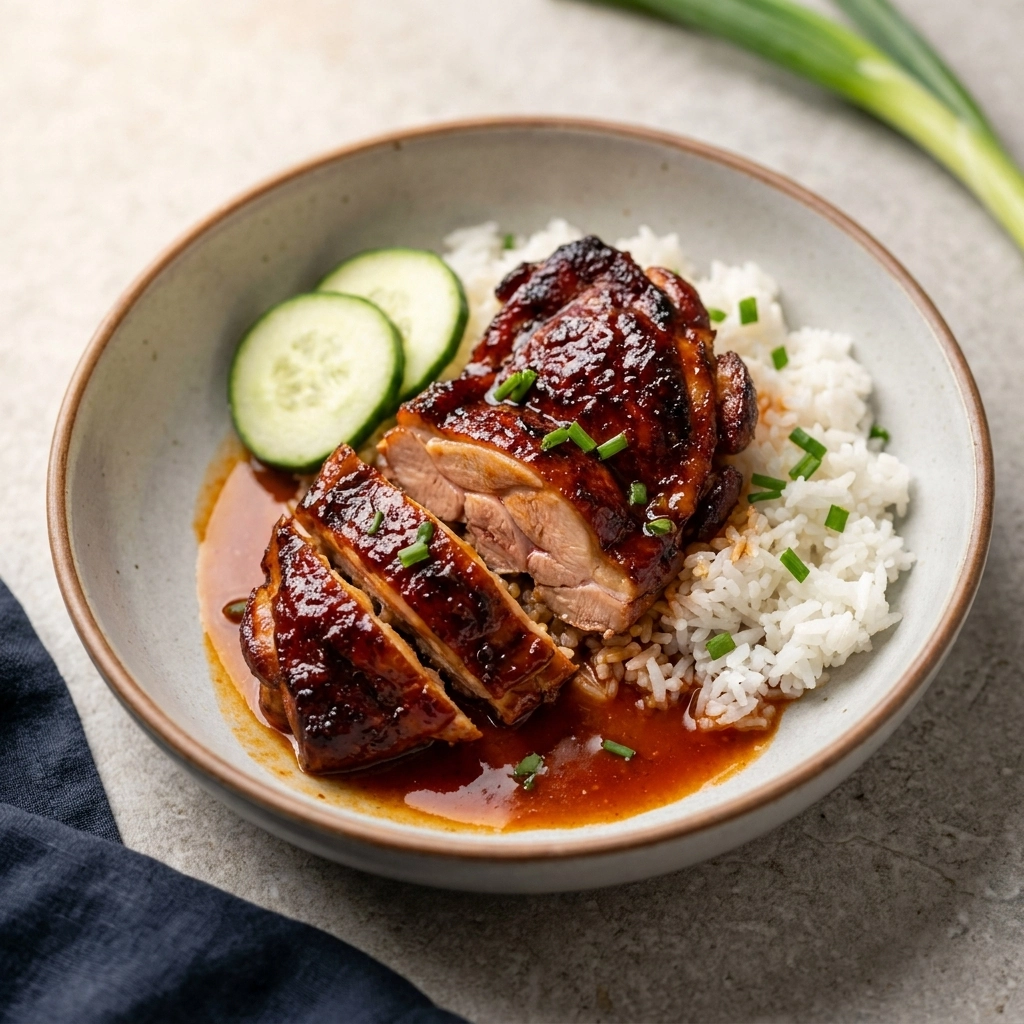
Introduction |
Ever craved true Korean fried chicken but settled for a soggy, lukewarm takeout version that lacked depth? Most commercial attempts fail meat with batter and under-seasoning the glaze, resulting in a heavy meal that feels more like a chore to eat than a culinary experience.
The shift to a home-cooked approach transforms this dish into a sophisticated balance of fermentation and nectar. rapid air circulation of an air fryer, we achieve a skin that snaps under the tooth while the interior remains tender and saturated with juice, creating a contrast that takeout simply cannot replicate.
When the pungent, earthy heat of gochujang meets the viscous sweetness of honey, a chemical reaction occurs upon heating that creates a sticky, lacquer-like coating. This method ensures every crevice of the chicken is coated in a vibrant red glaze that whispers of ancient fermentation and modern precision.
- ●The air fryer reduces excess oil consumption while maintaining a crisp texture.
- ●Gochujang provides a complex, umami-rich heat that surpasses basic chili flakes.
- ●Honey creates a natural glaze that caramelizes quickly under high heat.
- ●The preparation time is minimal compared to traditional deep-frying methods.
- ●The flavor profile hits every taste bud: salty, sweet, spicy, and savory.
Essential Ingredients |
Chicken Thighs, offering a rich, marbled texture and a deep savory aroma, use 1.5 lbs of boneless, skinless cuts.
Gochujang, a thick, crimson fermented chili paste with a pungent scent, use 3 tablespoons for a bold kick.
Honey, a golden, viscous liquid with floral notes, use 1/4 cup to balance the heat.
Soy Sauce, a dark, salty brine that adds an amber hue, use 2 tablespoons for depth.
Rice Vinegar, a clear, sharp liquid with a clean acidic tang, use 1 tablespoon to cut through the richness.
Garlic, pungent white cloves that provide a sharp, aromatic base, use 3 minced cloves.
Ginger, a pale yellow root with a zesty, warm fragrance, use 1 teaspoon of fresh grate.
Cornstarch, a fine white powder that creates a crisp barrier, use 2 tablespoons for coating.
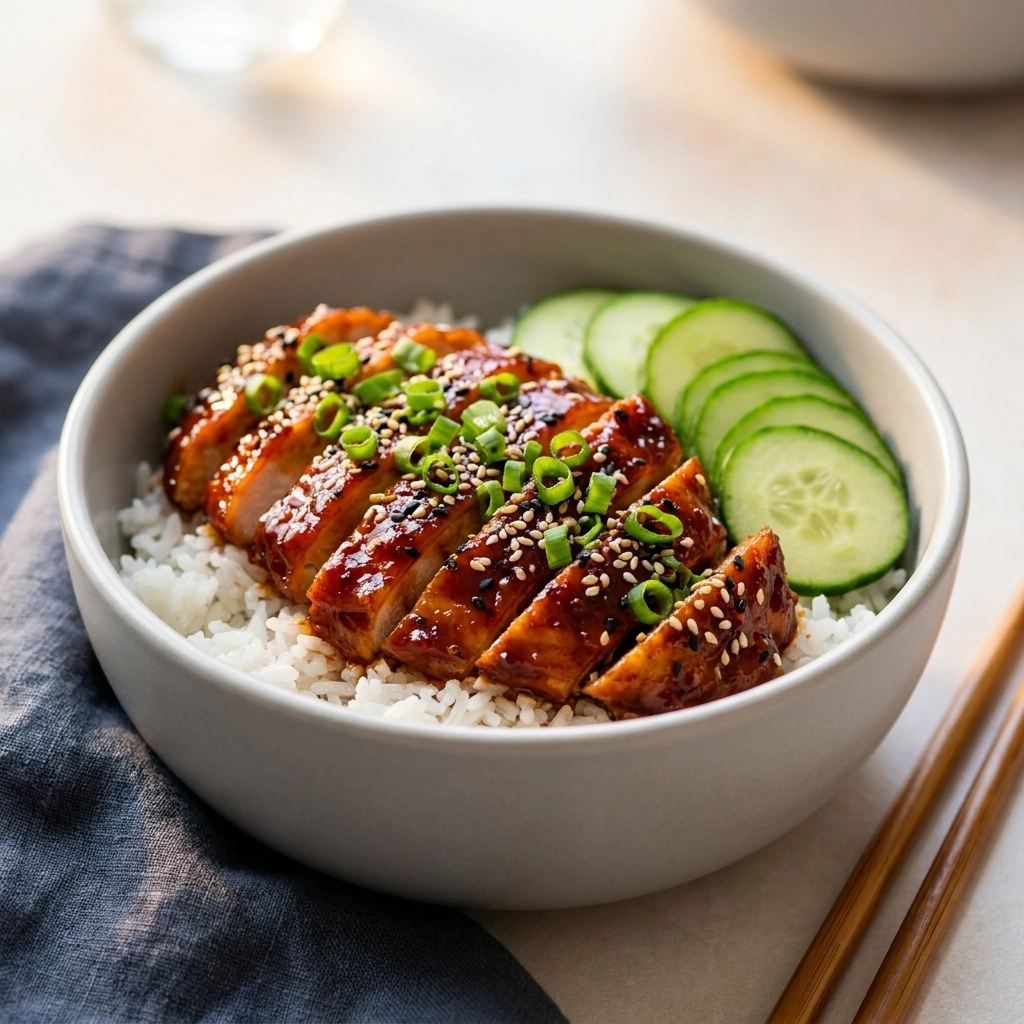 Let’s Make it Together |
- To ensure the chicken doesn’t stick and develops a crust, toss the diced thighs in cornstarch until lightly coated before air frying.
- To achieve an even cook and maximize airflow, arrange the chicken pieces in a single layer in the air fryer basket, leaving space between them.
- To lock in moisture and brown the exterior, cook the chicken at 400°F for 12 to 15 minutes, shaking the basket halfway through.
- To create a cohesive emulsion, whisk the gochujang, honey, soy sauce, rice vinegar, garlic, and ginger in a small saucepan over medium heat.
- To thicken the sauce into a lacquer, simmer the mixture for 3 to 5 minutes until it bubbles and reduces slightly.
- To prevent the coating from becoming soggy, toss the hot, cooked chicken into the simmering glaze immediately before serving.
Avoid overcrowding the air fryer basket as this traps steam and prevents crisping.
Ensure your honey is liquid; if crystallized, warm it slightly for a smoother glaze.
Do not use a low heat setting for the chicken or the meat will release moisture and steam.
Rinse your air fryer basket immediately after use to remove stubborn cornstarch residue.
Check the internal temperature with a probe to ensure it hits 165°F without overcooking.
Perfecting the Cooking Process |
The science of this dish relies on the Maillard reaction, where amino acids and sugars react under high heat to create brown, savory crusts. By maintaining a temperature of 400°F, we trigger this reaction rapidly on the surface of the cornstarch-coated chicken. This high-heat environment evaporates surface moisture almost instantly, which is the key to avoiding the dreaded ‘soggy’ texture common in air-fried meats.
Timing is critical; 12 to 15 minutes is the window where the fat renders and the exterior hardens without drying out the center. Why does the shake at the halfway mark matter? It redistributes the air currents, ensuring that the bottom of each piece receives the same convective heat as the top, preventing cold spots and ensuring a uniform golden-brown finish.
The final glazing process is an exercise in temperature control. The sauce must be simmering—not boiling over—when the chicken is introduced. Adding the meat to a cool sauce results in a thin coating that slides off, whereas a reduced, thickened glaze clings to the cornstarch crust, creating a glossy, professional-grade lacquer that seals in the juices.
Add Your Touch |
Could you imagine a nuttier dimension to this dish? Incorporate a tablespoon of toasted sesame oil into the glaze or garnish with crushed roasted peanuts to introduce an earthy, crunchy element that contrasts with the sticky sauce.
For those seeking a more intense heat profile, replace a portion of the honey with maple syrup and add a teaspoon of Gochugaru (Korean chili flakes). This maintains the sweetness but adds a layered, smoky heat that penetrates deeper into the chicken.
Storing & Reheating |
Store leftovers in an airtight glass container in the refrigerator for up to three days. Keeping the chicken separate from the rice or vegetables prevents the moisture from migrating and softening the crust.
To restore the texture, avoid the microwave. Instead, place the chicken back in the air fryer at 350°F for 3 to 5 minutes, which re-caramelizes the sugars in the honey and crisps the skin once more.
1Pat the chicken completely dry with paper towels before applying the cornstarch.
2Use a meat thermometer to avoid overcooking the thighs into toughness.
3Sift the cornstarch to avoid clumps that can burn in the air fryer.
4Balance the saltiness of the soy sauce glaze before the final toss.
5Garnish with fresh scallions and sesame seeds for a professional visual contrast.
FAQ |
- ●Q: Can I use chicken breasts instead of thighs?
A: You can use breasts, but you must reduce the cooking time by 3 to 5 minutes. Breasts lack the fat content of thighs, making them prone to drying out quickly under the intense heat of an air fryer. - ●Q: What can I use as a substitute for gochujang?
A: A mixture of Sriracha and a pinch of miso paste can mimic the profile. However, the fermented depth of true gochujang is unique, so the substitute will offer a brighter heat rather than an earthy, complex funk. - ●Q: Why is my sauce too thin and not sticking to the chicken?
A: This usually happens if the sauce wasn’t reduced enough on the stove. Simmer the glaze for a few extra minutes until it reaches a syrupy consistency that coats the back of a spoon without dripping instantly. - ●Q: Do I need to preheat the air fryer?
A: While not always required, preheating for 3 minutes ensures the chicken hits a hot surface immediately. This jumpstarts the searing process and helps achieve a more consistent crust across all pieces of meat.
Honey Gochujang Chicken (Air Fryer)
- Total Time: 35 minutes
- Yield: 4 servings 1x
Description
A technical approach to Korean-inspired chicken using an air fryer for maximum crispness and a reduced honey-gochujang glaze for a sticky, savory finish.
Ingredients
- 1.5 lbs boneless skinless chicken thighs, diced
- 2 tbsp cornstarch
- 3 tbsp gochujang
- 1/4 cup honey
- 2 tbsp soy sauce
- 1 tbsp rice vinegar
- 3 cloves garlic, minced
- 1 tsp fresh ginger, grated
Instructions
- Coat diced chicken in cornstarch.
- Air fry at 400°F for 12-15 minutes, shaking halfway.
- Whisk gochujang, honey, soy sauce, vinegar, garlic, and ginger in a pan.
- Simmer sauce for 3-5 minutes until thickened.
- Toss cooked chicken in the glaze until fully coated.
- Garnish with sesame seeds and scallions.
- Prep Time: 15 minutes
- Cook Time: 20 minutes
- Category: Dinner
- Method: Air Frying
- Cuisine: Korean
