

A Memory of Summer Evenings |
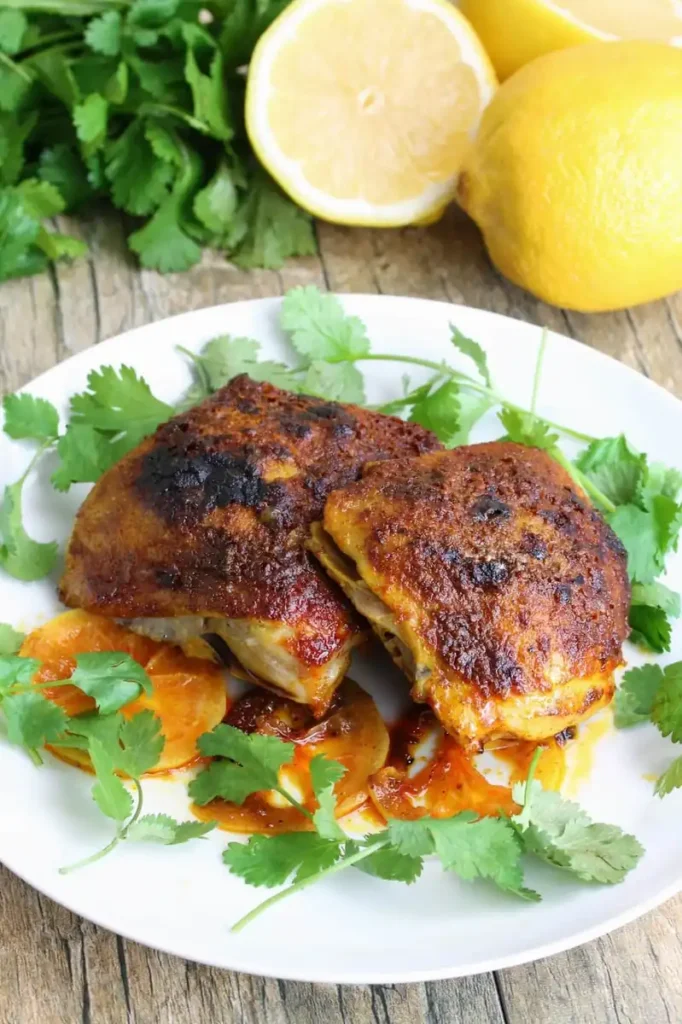
Years ago, a close friend named Elena invited me to her coastal cottage for a weekend getaway. She was known for her effortless approach to hosting, and she introduced me to a rustic method of searing chicken with citrus that transformed the simplest ingredients into a feast. I remember the scent of charred lime and toasted garlic wafting through the open windows while the tide rolled in just outside the porch.
When I first tried to recreate this magic in my own kitchen, I suffered a humbling defeat. I added the minced garlic far too early in the searing process, causing the cloves to burn and turn bitter before the chicken even hit its golden mark. That mistake taught me the vital importance of timing and heat management, ensuring the aromatics bloom without scorching the sauce.
Now, this dish has become a staple in my home, bridging the gap between a sophisticated dinner party and a Tuesday night rush. The balance of acidity from the lime and the depth of the garlic creates a profile that feels light yet deeply satisfying, leaving the palate refreshed and wanting more.
- ●Minimal cleanup thanks to the single-pan approach.
- ●High protein content paired with bright, natural flavors.
- ●Fast execution that fits into a hectic work schedule.
- ●Versatile flavor profile that pairs with grains or greens.
- ●A vibrant color palette that makes the plate look professional.
Essential Ingredients |
Chicken Breasts provide the hearty base and soak up the citrus glaze; substitute with boneless thighs for a juicier, richer texture.
Fresh Garlic adds a pungent, earthy depth that anchors the brightness of the lime; use garlic powder if fresh cloves are unavailable.
Fresh Lime Juice delivers the sharp, acidic punch needed to tenderize the meat; lemon juice serves as a suitable alternative.
Butter creates a silky emulsion for the sauce and aids in browning; substitute with olive oil for a dairy-free version.
Honey balances the tartness of the lime with a subtle, floral sweetness; maple syrup works well as a vegan swap.
Fresh Parsley adds a pop of color and a clean, herbal finish; cilantro provides a more adventurous, zesty twist.
 Let’s Make it Together |
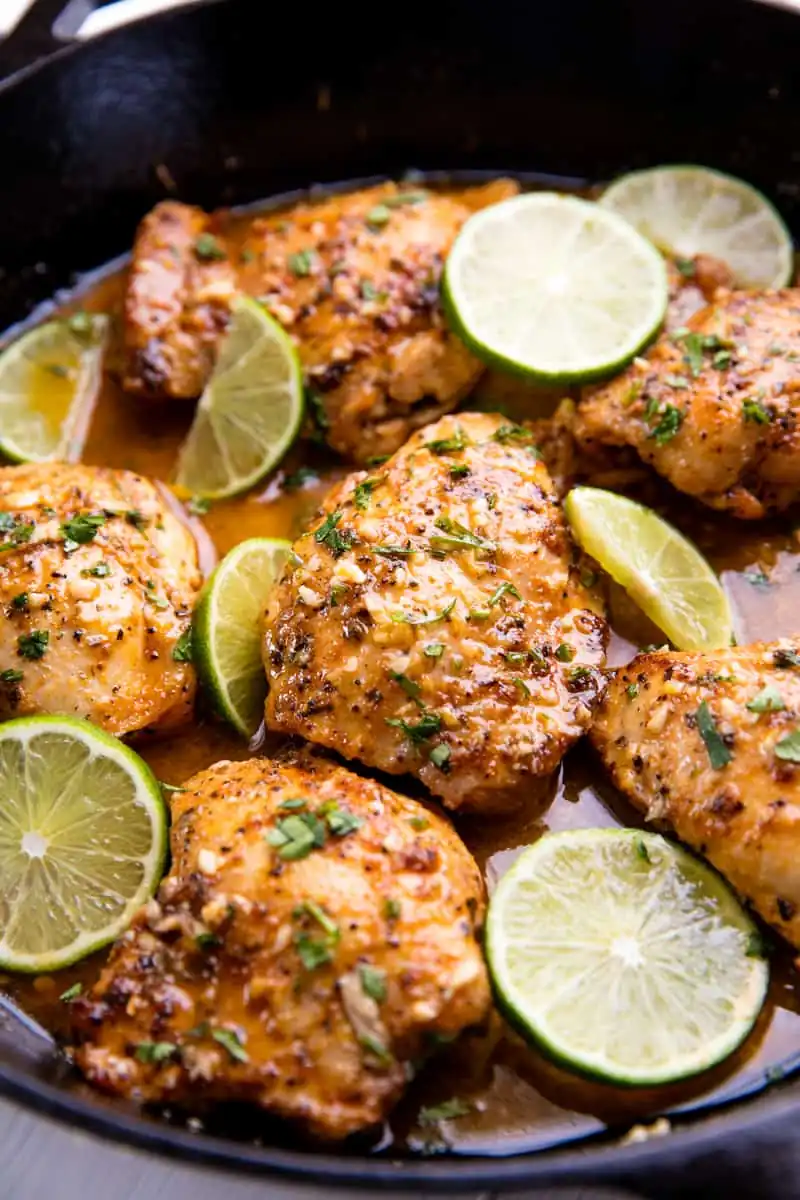
- To ensure the meat sears rather than steams, pat the chicken dry with paper towels and season liberally with salt and pepper.
- Because a high heat creates a golden crust, heat a large skillet over medium-high until the oil shimmer, then brown the chicken on both sides.
- To avoid overcooking the interior, remove the chicken from the pan once it is browned but not yet fully cooked through.
- To prevent the aromatics from burning, lower the heat to medium and sauté the minced garlic until it releases its fragrance.
- To build a cohesive sauce, stir in the honey and lime juice, scraping the bottom of the pan to release the flavorful browned bits.
- To lock in the juices and finish the cooking process, return the chicken to the skillet and simmer until the sauce thickens and the meat is opaque.
One pan. Total harmony.
Never crowd the skillet or the chicken will boil in its own juices instead of searing.
Squeeze your limes at room temperature to extract the maximum amount of juice.
Avoid using pre-bottled lime juice as it lacks the brightness of the fresh fruit.
Use a heavy-bottomed skillet to maintain a steady temperature across the cooking surface.
Rest the meat for five minutes after cooking to keep the juices inside the chicken.
Perfecting the Cooking Process |
Temperature control is the secret to this dish. If the pan is too cool, the chicken releases moisture and becomes rubbery. If it is too hot, the honey in the sauce will caramelize too quickly and burn. Aim for a steady medium-high heat for the initial sear, then transition to a gentle simmer for the glaze.
Timing the garlic is where most home cooks stumble. Garlic burns in seconds; wait until the chicken is removed from the pan and the heat is lowered before adding it. This ensures the garlic softens and perfumes the oil without becoming bitter, which would ruin the delicate lime balance.
Add Your Touch |
Customize this meal to fit your lifestyle or the season. For a low-carb approach, swap the honey for a touch of stevia or omit it entirely for a sharper, more savory profile. If you are craving heat, stir in a teaspoon of crushed red pepper flakes or a splash of sriracha during the sauce reduction phase.
In the summer, serve this over a bed of chilled quinoa and sliced avocado for a refreshing bowl. During winter, pair the chicken with roasted root vegetables like carrots or parsnips to ground the acidity. For a Mediterranean twist, add kalamata olives and sun-dried tomatoes to the skillet for a salty, complex variation.
Storing & Reheating |
Keep leftovers in an airtight glass container in the refrigerator for up to three days. To maintain the integrity of the sauce, ensure the chicken is completely cooled before sealing the lid to prevent excess condensation.
When reheating, avoid the microwave if possible as it can toughen the meat. Instead, place the chicken and sauce in a small pan over low heat with a splash of water or chicken broth to loosen the glaze and restore the moisture.
1Slicing the chicken breasts into even thickness ensures every piece finishes cooking at the same time.
2Add a pinch of baking soda to the marinade if you have extra time to further tenderize the fibers.
3Whisk the sauce ingredients in a small bowl before adding them to the pan for a smooth consistency.
4Use a meat thermometer to pull the chicken at exactly 165 degrees Fahrenheit to avoid dryness.
5Deglaze the pan with a tablespoon of white wine for an even deeper, more complex flavor profile.
FAQ |
- ●Q: Can I use chicken thighs instead of breasts?
A: Yes, chicken thighs are a fantastic alternative. They contain more fat, which means they stay juicier during the searing process and can withstand a slightly higher temperature without drying out, though they will require a few extra minutes of cooking time. - ●Q: How do I stop the lime sauce from tasting too sour?
A: If the acidity is too aggressive, stir in a small knob of unsalted butter or an extra teaspoon of honey. The fats and sugars neutralize the sharp edges of the lime juice, creating a more rounded and balanced flavor. - ●Q: What is the best side dish for this meal?
A: This dish pairs beautifully with steamed jasmine rice, which absorbs the citrusy glaze, or sautéed ba a lighter option. Roasted asparagus also complements the garlic and lime notes without overpowering the main protein. - ●Q: Can I freeze this recipe for later?
A: While you can freeze cooked chicken, the texture of the sauce may change upon thawing. It is better to freeze the raw chicken in the marinade, then thaw and cook it fresh in the skillet for the best possible results.
Zesty Garlic Lime Skillet Chicken: A Fresh Weeknight Classic
- Total Time: 30 minutes
- Yield: 4 servings 1x
Description
A bright and zesty one-pan chicken dish featuring a savory garlic and lime glaze. Quick to prepare and full of fresh flavor.
Ingredients
- 4 boneless skinless chicken breasts
- 3 cloves garlic, minced
- 1/4 cup fresh lime juice
- 2 tablespoons honey
- 2 tablespoons butter
- 1 tablespoon olive oil
- Salt and black pepper to taste
- Fresh parsley for garnish
Instructions
- Pat chicken dry and season with salt and pepper.
- Heat olive oil in a skillet over medium-high heat; sear chicken until browned on both sides.
- Remove chicken from the pan and set aside on a plate.
- Lower heat to medium and sauté minced garlic for 30-60 seconds.
- Stir in lime juice and honey, simmering for 2 minutes to thicken.
- Return chicken to the pan and cook until internal temperature reaches 165F.
- Stir in butter at the end for a glossy finish and garnish with parsley.
- Prep Time: 10 minutes
- Cook Time: 20 minutes
- Category: Dinner
- Method: Skillet Searing
- Cuisine: Fusion
